Joi AI Joins Pineapple Support As Partner-Level Sponsor, Hosts Workshop For Creators

Pineapple Support, the adult industry’s leading mental health nonprofit, is pleased to welcome Joi AI, formerly known as Eva AI, as a partner-level sponsor. The digital relationship platform joins over seventy adult businesses and organizations in committing funds and resources to the organization. Joi AI will also host the Joi AI Academy Workshop, a virtual event to explore how creators can protect their mental health while using AI tools to maintain audience engagement.

“Pineapple Support brings invaluable experience in creator wellness,” says Caleth Jones, spokesperson for Joi AI. “The session will address common challenges such as burnout, anxiety, and the pressure of being ‘always on,’ as well as introduce ways AI can help creators automate tasks, maintain boundaries, and stay connected with fans. Together, we hope to offer practical insights and emotional support to empower creators both online and off.”

Pineapple Support was founded by performer Leya Tanit in 2018, after a string of losses in the adult industry from depression and other mental illnesses. The organization, a qualified 501(c)(3) tax-exempt organization in the United States, has connected over 15,000 adult performers to mental health services, including free and low-cost therapy, counseling, and emotional support.

“I’m thankful to Joi AI for supporting our mission to provide stigma-free and accessible mental health care to industry creators,” says Tanit. “We’re excited to collaborate with them on this workshop to discuss the potential AI may hold for creator wellbeing.”

The Joi AI Academy Workshop will take place on May 8, 2025, and will feature insights from Tanit representing Pineapple Support, and other industry advocates. For more information and to register, visit https://partiful.com/e/OfWmHqbAvWsRSPkkkfej.

To learn more about becoming a sponsor of Pineapple Support, visit https://pineapplesupport.org/sponsorship. Details about additional ways to support, as a company or individual, can be found on the organization’s website https://pineapplesupport.org.

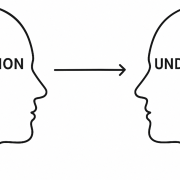
Justification vs. Understanding: A Mental Health Perspective on Self-Work

When we start doing the work to improve our mental health, whether that’s through therapy, self-reflection, support groups, or just trying to be better humans, there’s a trap many of us fall into: justifying our behavior instead of understanding it.

At first glance, they can look similar. Both involve looking at our past and examining why we act or feel the way we do. But one leads to growth. The other keeps us stuck.

What’s the difference?

  • Justification says: “I behave this way because this happened to me, and that’s just how I am.”
  • Understanding says: “This is where the behavior comes from, but now that I see it clearly, I have the power to change.”

Justification is passive. It can become a shield we hold up when we’re not ready to face the hard work of healing. It’s rooted in survival and defensiveness. Understanding, on the other hand, is active. It opens the door to self-compassion and accountability. It says, “Yes, this hurt me, but I don’t want to keep hurting myself or others because of it.”

Why does this matter in mental health?
Because healing isn’t just about knowing why we are the way we are. It’s about what we do with that knowledge.

  • We can recognize that anxiety, trauma, or rejection shaped our reactions—but still challenge ourselves to respond in healthier ways.
  • We can see how pain informed our coping mechanisms, without excusing harmful behavior or getting stuck in victimhood.
  • We can validate our emotions, while also taking responsibility for our actions.

Mental health work is not about blaming ourselves, nor is it about blaming others forever. It’s about taking ownership of our healing journey. That means asking: “Am I using my past as a reason to stay the same, or as a reason to grow?”

From awareness to action
Understanding doesn’t mean we get it right every time. Growth is messy. It’s okay to struggle. But when we move from justification to understanding, we unlock our ability to make new choices. We become more emotionally available, more compassionate, and more capable of living lives that align with who we want to be, not just who we’ve had to be.

So next time you catch yourself saying, “That’s just how I am,” take a breath. Ask yourself, “Is this helping me grow, or is it keeping me stuck?” You deserve the kind of healing that leads to freedom, not just familiar pain.

Pineapple Support To Host Morning Yoga Sessions at GRABBYS Europe

Pineapple Support, the adult industry’s leading mental health nonprofit, will host daily morning yoga sessions during the Grabbys Europe event in Torremolinos, April 24th–28th. These sessions, led by Pineapple therapist Michele Karban, are designed to help attendees reset and recharge amidst the buzz of the show.

The “Pineapple Support Yoga Morning” sessions will take place on Friday, April 25 and Saturday, April 26 at 11am, by the pool at the Rendez-vous Lounge, next to the hotel stage. Each 45-minute class offers a calming space for grounding and gentle movement, ideal for all experience levels. Attendees are encouraged to join before breakfast to stretch, breathe, and reconnect in a safe, welcoming environment.

“At fast-paced events like this, taking a moment for yourself is essential,” says Pineapple Support founder and CEO, Leya Tanit. “Our morning yoga sessions provide a gentle, supportive space where attendees can start the day feeling more balanced, relaxed, and ready to engage.”

Pineapple Support was founded by British performer Leya Tanit in 2018, after a string of losses in the adult industry from depression and other mental illnesses. The organization, a qualified 501(c)(3) tax-exempt organization in the United States, has connected over 14,000 adult performers to mental health services, including free and low-cost therapy, counseling, and emotional support.

For more information about Grabbys Europe and to view the full event schedule, please visit grabbyseurope.com. To learn more about Pineapple Support, including sponsorship and ways to get involved, visit pineapplesupport.org.

What Autism Means To Me

There’s been a lot of attention on autism through social media recently, and it’s become somewhat of a buzzword. To some extent, this is positive—it breaks some of the stigma surrounding the spectrum and raises awareness. But it’s also led to a wave of people self-diagnosing (nothing wrong with that, as long as it’s not a misdiagnosis or used as an excuse for poor behavior). However, the overuse of labels can sometimes be harmful.

Discovering you’re on the spectrum (ADHD and Autism) in your early 40’s is, to put it bluntly, really f-ing odd.
When my therapist first suggested it, my immediate reaction was, “Absolutely not, I’m an empath, what a ridiculous thing to suggest.” Then I spoke with some therapist friends of mine, and one by one, they all agreed—some even said they’d known since they met me (for over 10 years). News like this is not easy to digest, and it had my head spinning like a tumble dryer for many days. Once the dust had settled and I could finally process the information, I started talking to my friends. It turns out, like attracts like—over 90% of my close circle of friends are also on the spectrum. Hurrah, we move in packs! Vibe with your tribe!

Since my diagnosis, there have been many “aha” moments. Suddenly, it all made sense—why certain social situations are so difficult for me to navigate. It explains why I gravitate towards facts, my overwhelming desire to do people please, often to my detriment, and why it takes me a second to read between the lines (flirting? Never been my thing). Let’s talk about sensory overload—specifically loud noises. I always thought I didn’t like being around children because, well… children. Turns out, I actually have a good reason to steer clear of them now!
It’s also helped me understand how I like to support my friends: I’m absolutely terrible at comforting anyone who’s crying (I want to give them a pat on the back and hide in another room until they’re done), but I do want to use my pragmatism to fix, help, and support. Looking back, this is probably why I started Pineapple. People I loved were hurting—people who deserved care were uncared for—and this is how I knew to “fix” it.

Being on the spectrum didn’t just give me the drive to start Pineapple; it gave me the problem-solving skills to create a structure that would work and scale. It’s why I can approach things from a different angle and build systems that support people effectively.

There’s an interesting intersection between social justice and autism, with the two being highly intertwined, as many autistic individuals possess a strong sense of justice and may become distressed by injustice, advocating for change and challenging perceived unfairness. However, autistic people also face unique challenges and discrimination, requiring social justice efforts to ensure their rights and needs are met. What is strange to me is that this desire for social justice is seen as a “symptom of a disability”, and the sad reflection this gives of society today.

Throughout my childhood, I was called weird, felt excluded, and always knew I was different. As an adult, I’ve learned to harness these idiosyncrasies and thrive because of them. Being different, unique, that’s our superpower. Not just for those on the spectrum, but for every single one of us. Embracing our quirks and accepting our weird, wonderful selves is the biggest step we can take toward happiness. For those of you who feel like you don’t belong, like everyone else is speaking a different language, know that you aren’t alone. The world is full of people who are just like you, waiting for the space to be themselves. Accepting others without judgment and pushing ourselves to question bias is how we create a more inclusive, understanding, and united world. Together, we can make the world a place where we all belong.

Why Fit In When You Were Born to Stand Out? – Dr. Seuss

Reagan Foxx Joins Pineapple Support as Brand Ambassador

Pineapple Support, the adult industry’s leading mental health nonprofit, has appointed Reagan Foxx as its latest brand ambassador. The acclaimed adult actress, model, and cam performer joins a growing team of ambassadors dedicated to advocating for mental health awareness and performer support within the adult industry.

Foxx, a highly respected figure in the industry, brings more than a decade of experience to her new role. Her deep understanding of the challenges faced by performers, combined with her commitment to fostering a supportive and stigma-free environment, makes her an invaluable addition to the Pineapple Support team.

“If you have been in any profession for over ten years, I think you realize that you want to give something back,” says Foxx. “Spend enough time with people working, and I believe you will find that most of your colleagues will move on to become friends and family, especially in this line of work. These are a few reasons I am so proud to announce that I am now an ambassador with Pineapple Support, a company that has helped support us performers in ways that no other company has before. Creating awareness of performer safety, mental health, and industry resources to further careers like no other generation in adult entertainment has ever received.”

Pineapple Support was founded by British performer Leya Tanit in 2018, after a string of losses in the adult industry from depression and other mental illnesses. The organization, a qualified 501(c)(3) tax-exempt organization in the United States, has connected over 14,000 adult performers to mental health services, including free and low-cost therapy, counseling, and emotional support.

“We are thrilled to welcome Reagan to our ambassador team,” says Tanit. “Reagan’s passion for advocating for performer well-being, along with her deep industry experience, aligns perfectly with our mission. Her dedication to breaking down stigma and fostering a compassionate and supportive community will be instrumental in expanding our reach and ensuring more performers have access to the resources they need.”

For more information and to become a member of Pineapples United, the membership club for adult industry members, please visit Pineapplesupport.org/Pineapples-United. If you have a business and would like to find out how to become an official sponsor of Pineapple Support, view the available packages by visiting Pineapplesupport.org/sponsorship.

Wick Entertainment Joins Pineapple Support As Supporter-Level Sponsor

Pineapple Support, the adult industry’s leading mental health nonprofit, is pleased to welcome Wick Entertainment as a sponsor at the supporter level. The fan engagement platform joins over sixty adult businesses and organizations in committing funds and resources to the organization.

“We all share a responsibility to support and safeguard the lifeblood of our industry, ensuring creators have unhindered access to essential mental health resources is paramount,” says Kaspa Sejo, Co-Founder of Wick Entertainment. “Pineapple Support’s work is vital to the well-being of creators, and we’re honoured to be able to support their incredible efforts.”

Pineapple Support was founded by performer Leya Tanit in 2018, after a string of losses in the adult industry from depression and other mental illnesses. The organization, a qualified 501(c)(3) tax-exempt organization in the United States, has connected over 14,000 adult performers to mental health services, including free and low-cost therapy, counseling, and emotional support.

“Wick Entertainment’ support is helping us provide more resources to creators who need them,” says Tanit. “In an increasingly online industry, it’s more essential than ever that we support those on our platforms. We’re grateful to Wick Entertainment for standing with us in prioritizing the well-being of our community.”

To learn more about becoming a sponsor of Pineapple Support, please visit https://pineapplesupport.org/sponsorship. Details about additional ways to support, as a company or individual, can be found on the organization’s website https://pineapplesupport.org

Cruel Reell Joins Pineapple Support As Supporter-Level Sponsor

Pineapple Support, the adult industry’s leading mental health nonprofit, is pleased to welcome Cruel Reell as a supporter-level sponsor. The award-winning content creator joins over sixty adult businesses and organizations in committing funds and resources to the organization.

“I am happy to support Pineapple Support because it’s crucial to have fast access to mental health services when you need them,” says Reell. “In our industry, there’s a lot of discrimination against our work, and it’s important to know that there’s a place where we can seek help without judgment. Pineapple Support understands the unique challenges we face and offers the support we need to overcome them. This partnership means that models like myself can feel confident that our work will not be discriminated against and that our mental health is taken seriously.”

Pineapple Support was founded by performer Leya Tanit in 2018, after a string of losses in the adult industry from depression and other mental illnesses. The organization, a qualified 501(c)(3) tax-exempt organization in the United States, has connected over 14,000 adult performers to mental health services, including free and low-cost therapy, counseling, and emotional support.

“It’s hard to express how much it means when independent creators support the work we do,” says Tanit. “Creators like Cruel Reell know the incredible struggles that creators are facing. Her generosity, financially and emotionally, not only allows us to continue to provide these services, it shows that the work we do is resonating. I can not thank her enough, and hope she inspires other content creators to join our community of sponsors.”

To learn more about becoming a sponsor of Pineapple Support, please visit https://pineapplesupport.org/sponsorship. Details about additional ways to support, as a company or individual, can be found on the organization’s website https://pineapplesupport.org

VR Bangers Joins Pineapple Support As Supporter-Level Sponsor

Pineapple Support, the adult industry’s leading mental health nonprofit, is pleased to welcome VR Bangers as a sponsor at the supporter level. The virtual reality adult content site joins over sixty adult businesses and organizations in committing funds and resources to the organization.

“We are beyond excited to announce our sponsorship of Pineapple Support, an organization dedicated to providing essential mental health and emotional support to those in need,” says Daniel Abramovich, CEO and co-founder of VR Bangers. “This partnership reflects our commitment to fostering well-being and making a positive impact in the community. We look forward to working together to support and uplift individuals, ensuring they receive the care and resources they deserve. It is an honor to be part of this important mission, and we are eager to contribute to the growth and success of Pineapple Support.”

Pineapple Support was founded by performer Leya Tanit in 2018, after a string of losses in the adult industry from depression and other mental illnesses. The organization, a qualified 501(c)(3) tax-exempt organization in the United States, has connected over 14,000 adult performers to mental health services, including free and low-cost therapy, counseling, and emotional support.

“Support from companies like VR Bangers is vital to our mission,” says Tanit. “Their commitment enables us to provide essential mental health services to those who need it most, helping us continue to make a positive impact in the adult industry. We are thrilled to welcome them as a supporter and look forward to working together to enhance the well-being of our community.”

To learn more about becoming a sponsor of Pineapple Support, please visit https://pineapplesupport.org/sponsorship. Details about additional ways to support, as a company or individual, can be found on the organization’s website https://pineapplesupport.org


Embracing Shadow Work: A Journey Through Neurodivergence and Self-Discovery

Shadow work—this concept of exploring the parts of ourselves we often avoid or suppress—has been one of the most transformative tools in my personal growth journey. If you’re unfamiliar with it, shadow work is about facing the “shadow”—the parts of ourselves we tend to reject, ignore, or push down because they feel uncomfortable or don’t fit into our ideal narrative. For many neurodivergent individuals, like myself, this work can be especially profound, uncovering not just personal struggles, but also the unique gifts that come with living with autism and ADHD.

Understanding the Shadow
At its core, shadow work involves examining those suppressed aspects of our psyche—our fears, vulnerabilities, behaviors, and emotions—that we usually don’t want to face. In my experience, these “shadows” are deeply tied to how I perceive and navigate the world as someone with ADHD and autism. Often, the world has a set expectation for how we should behave, think, and respond, and when we fall outside of those norms, it can feel like we’re not measuring up.

For those of us with ADHD or autism, these “shadow” qualities might include traits like impulsivity, hyperfocus, sensory overload, or social struggles. They are not flaws but ways of experiencing the world differently, and much of the shadow work I’ve done has been focused on learning to see these qualities in a new light.

The Power of Self-Reflection
Before I started doing shadow work, I viewed many of my neurodivergent traits as imperfections. My inability to stay focused on one task for long, my intense emotional reactions, or the way social situations drained me felt like things I needed to “fix.” I spent years trying to make myself fit into a mold that just wasn’t designed for me.

Through shadow work, I’ve come to realize that those qualities aren’t mistakes to correct—they are part of who I am, and they can be powerful assets if I learn to embrace them. Shadow work doesn’t just help us confront the parts of ourselves that we wish weren’t there; it encourages us to accept them, to understand where they come from, and to find ways to work with them rather than against them.

My Personal Journey
I’m still on this journey, but I’ve learned that my neurodivergence isn’t something I need to be ashamed of. It’s a unique way of experiencing and interacting with the world, and shadow work has helped me appreciate that. For example, when I’m hyperfocused on a task, I’ve learned to see it as a strength instead of something to feel guilty about. Rather than forcing myself to “snap out of it” when I get absorbed in something, I’ve learned to allow it and use it to my advantage.

On the flip side, when I feel overwhelmed by sensory input or emotional overload, shadow work encourages me to acknowledge these feelings without judgment. I no longer push them down, and instead, I take time to ground myself and process what’s happening in my mind and body. These moments of self-compassion are key to integrating my neurodivergent traits into my life in a healthy way.

How Shadow Work Can Help
Shadow work isn’t a quick fix, but with patience and practice, it can help you reframe how you see yourself and your challenges. Here are a few suggestions if you’re interested in exploring shadow work for yourself, especially if you’re navigating ADHD or autism:

  1. Acknowledge and Accept Your Traits: Start by recognizing the traits you may have been taught to suppress or view negatively. For example, if you have ADHD, embrace your creativity and ability to think outside the box instead of focusing on “lacking focus.” If you’re autistic, celebrate your attention to detail and deep focus on subjects that matter to you.
  2. Journaling and Reflection: Writing down your thoughts and feelings can be an effective way to understand your shadows. When you notice feelings of shame, frustration, or inadequacy, write them down and explore why they came up. What triggered those emotions? What part of your neurodivergence is tied to them?
  3. Be Compassionate with Yourself: Shadow work requires a lot of self-compassion. There will be moments where it feels uncomfortable or where you wish you could change aspects of yourself. But instead of pushing those feelings aside, sit with them and try to understand them. Be patient with yourself as you navigate the process.
  4. Seek Support: If you find shadow work difficult, especially when it comes to deep-rooted feelings of shame or misunderstanding, consider seeking professional support. A therapist or counselor who understands ADHD, autism, and shadow work can help you navigate the emotional landscape of these complex feelings.
  5. Celebrate Progress, Not Perfection: Remember, shadow work is a lifelong process. Some days, it will feel overwhelming. Other days, you’ll make huge strides. Celebrate the progress, no matter how small, and acknowledge the courage it takes to face your shadows.

Final Thoughts
Shadow work has taught me that I don’t have to change who I am to be worthy of love, acceptance, and understanding. The parts of me that once felt like burdens are now opportunities for growth. Autism and ADHD are not flaws—they are ways of navigating the world that are just as valuable as any other. Shadow work has helped me embrace my neurodivergence and integrate it into my life, not as something to fix, but as something to understand and appreciate.

If you’re on a similar journey, I encourage you to explore your own shadows with kindness, patience, and an open heart. The process of self-discovery can be transformative, and with time, you’ll see the beauty in the very traits you once thought were “too much” or “too little.” You are enough, just as you are.

With love,

Leya

Pineapple Support Launches Monthly Online Community Event For Romanian Creators, Sponsored by Paxum

Pineapple Support, the adult industry’s leading mental health nonprofit, is launching a new, online community event, “Spill the Tea Romania,” which is free for adult industry creators in Romania, sponsored by Paxum. The ongoing monthly sessions, hosted by Pineapple Support therapist Ana Maria Stan and Romanian community liaison Anastasia Turcan, will be held in Romanian and will begin on January 16th at 6:00pm EET.

“This group is designed to provide a safe and supportive virtual space for adult industry creators and performers, with Q&A sessions, mini-workshops, opportunities for connection, and moments to recharge,” says Pineapple Support therapist Ana Maria Stan. “If you want to recharge your batteries and connect with others, learn how to make your work easier and find your community, we welcome you.”

Pineapple Support was founded by performer Leya Tanit in 2018, after a string of losses in the adult industry from depression and other mental illnesses. The organization, a qualified 501(c)(3) tax-exempt organization in the United States, has connected over 14,000 adult performers to mental health services, including free and low-cost therapy, counseling, and emotional support.

“We are incredibly grateful to Paxum for supporting the launch of ‘Spill the Tea Romania’,” says Pineapple Support founder and CEO, Leya Tanit. “These monthly events provide much-needed support to creators who may have limited access to supportive resources. It’s vital to have a community space where creators can share their experiences and feel understood. ‘Spill the Tea’ is about creating a welcoming, understanding environment that empowers creators to connect and thrive.”

The “Spill the Tea Romania” community event begins on January 16th at 6:00pm EET. Sessions will be held in Romanian, last approximately one hour, and take place online each month. For more information and to register for a spot in this group, visit pineapplesupport.org/support-groups.